

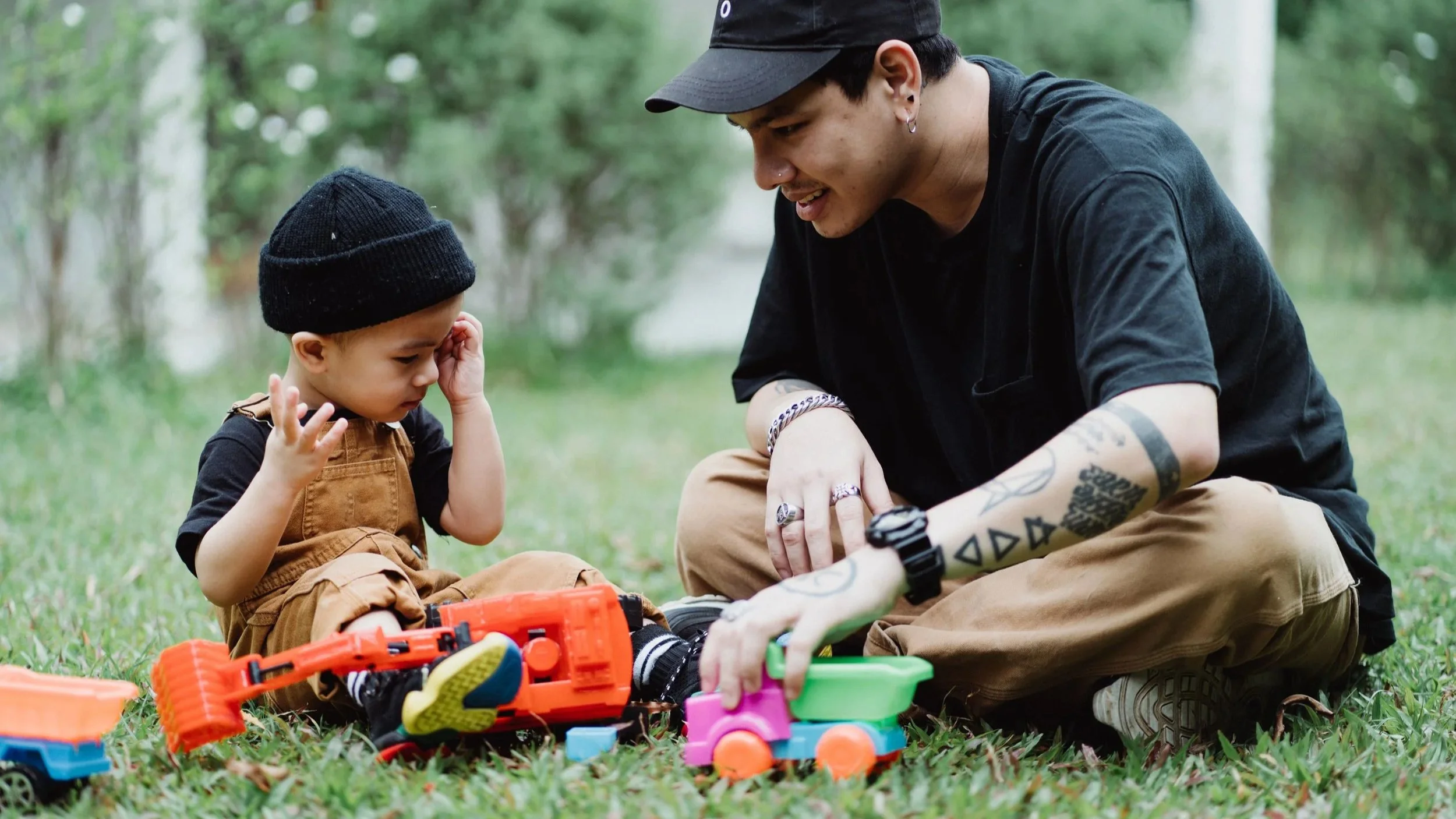
“Great communication begins with connection.”
Speech & Language Intervention
-
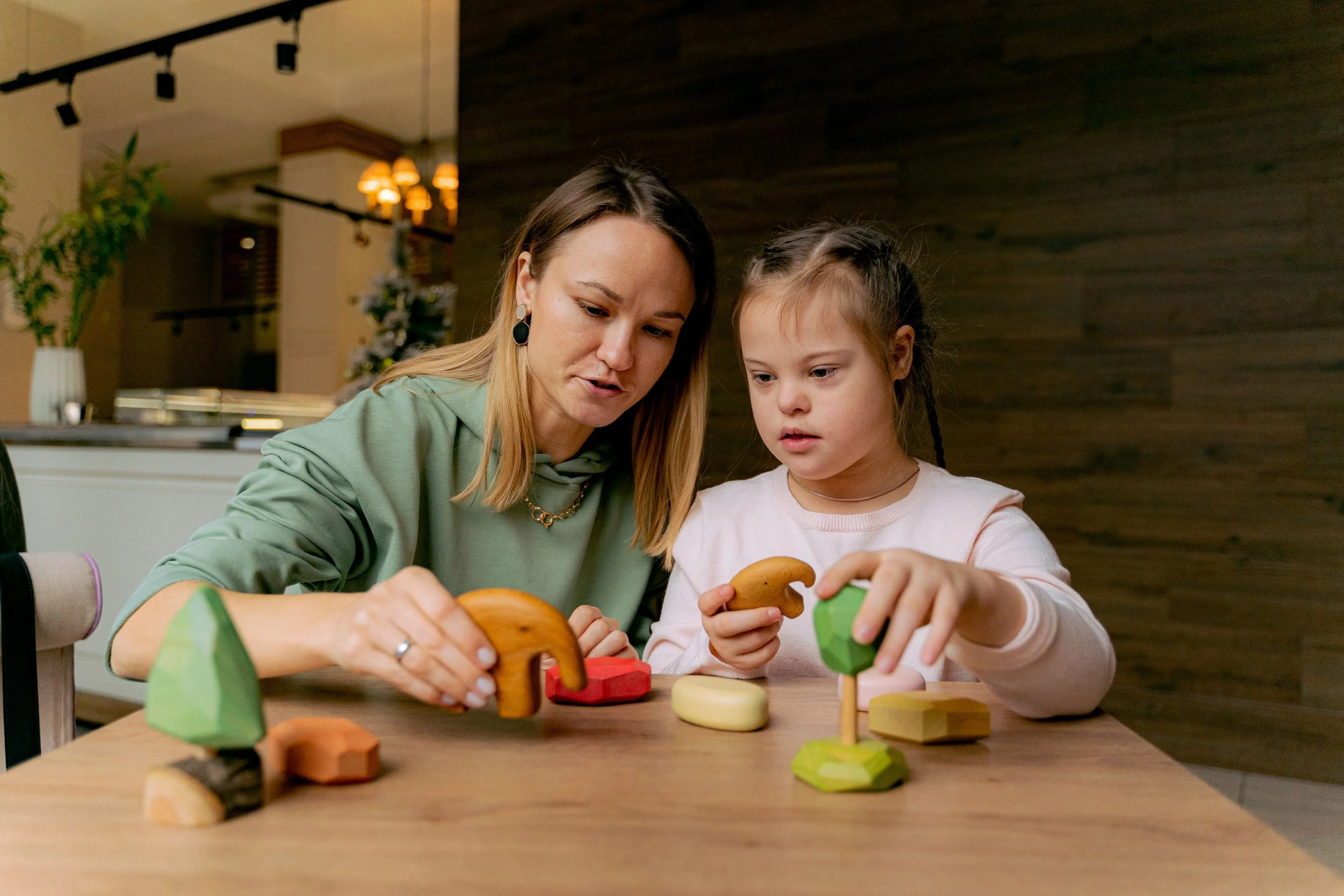
Speech Support
Speech development helps children clearly express their thoughts, needs, and ideas. Some children may have difficulty producing certain sounds, being understood by others, or coordinating the movements needed for clear speech.
Speech support focuses on improving sound production, clarity, and overall intelligibility in a supportive and encouraging environment. Therapy is individualized and developmentally appropriate, using play-based and functional activities to help children practice speech skills in natural, meaningful ways.
Early support can help children build confidence, strengthen communication skills, and feel more successful in social interactions, learning, and everyday life.
-

Expressive Language
Expressive language is a child’s ability to communicate thoughts, needs, and ideas using language. This includes using vocabulary, combining words into sentences, answering questions, and telling or explaining ideas.
Children with expressive language difficulties may have a limited vocabulary, use shorter or less complex sentences, or have difficulty expressing their thoughts clearly. Support can help children develop stronger language skills and communicate more confidently.
-
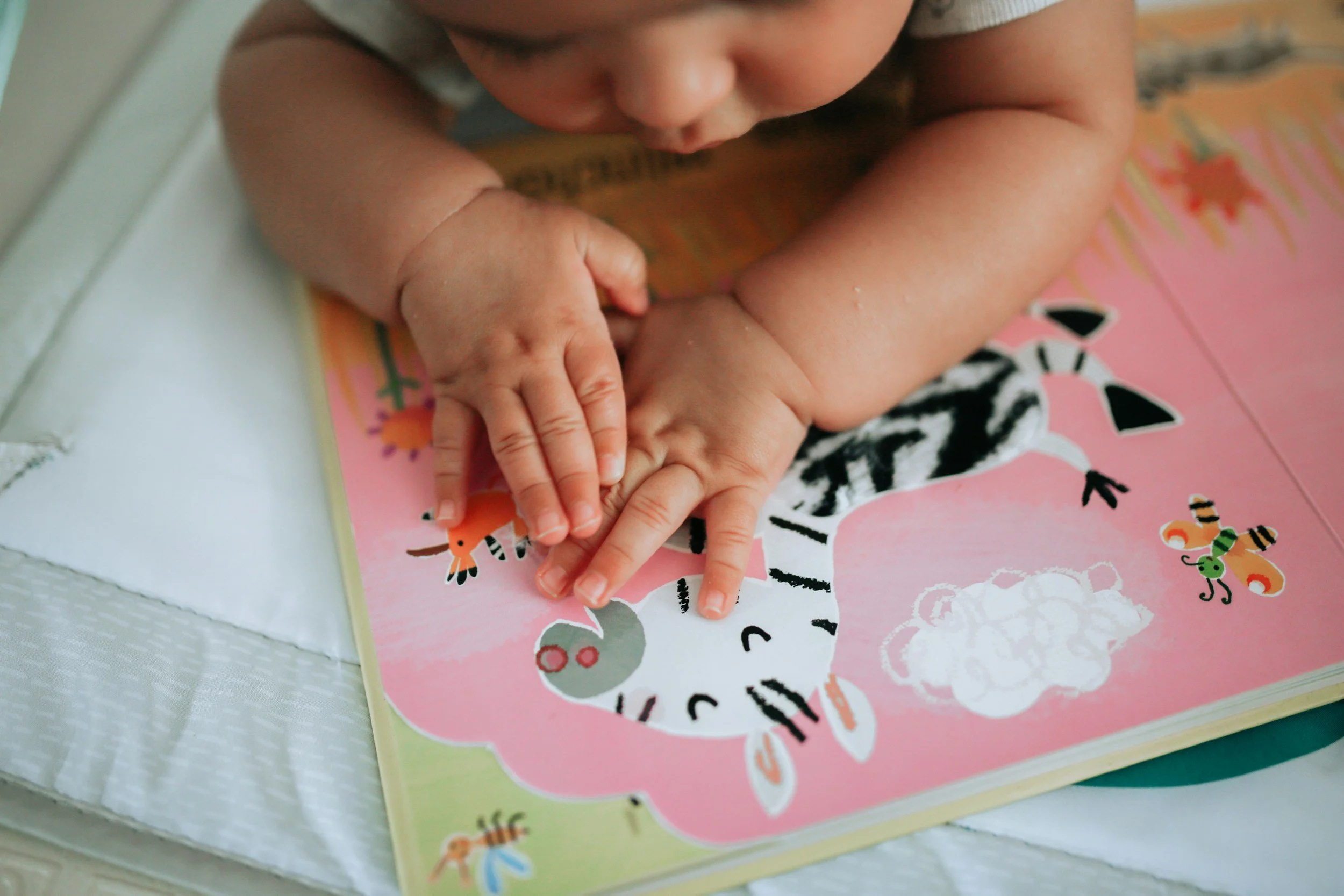
Receptive Language
Receptive language is a child’s ability to understand and process language. This includes understanding words and concepts, following directions, answering questions, and comprehending conversations and stories.
Children with receptive language difficulties may have trouble understanding what others are saying, learning new vocabulary, or following directions. Support can help children strengthen their understanding and communicate more confidently.
-

Augmentative & Alternative Communication
Every child deserves a way to communicate their wants, needs, thoughts, and ideas. For some children, spoken speech may not be their most reliable form of communication. AAC provides additional ways to communicate through gestures, signs, pictures, communication boards, or speech-generating devices.
AAC can be an important part of a total communication approach, supporting children in using all of the tools available to them to communicate. The goal is to build functional communication, reduce frustration, and help children connect and participate more fully in everyday life.
Speech & Language Resources
Communication begins long before a child says their first words. These articles explore speech, language, and early communication development and offer practical information to help you better understand what your child is communicating and when additional support may be helpful.
Support helps children strengthen expressive and receptive language skills, including speech clarity, vocabulary, comprehension, and listening. With individualized guidance, children can build confidence, improve communication, and thrive in social interactions, learning, and overall development.